Insects are among the smallest creatures people encounter, yet they carry some of the most recognizable meanings in human culture. From butterflies representing transformation to bees suggesting hard work and ants reflecting cooperation, insect symbolism connects the natural behavior of these creatures with human experiences, emotions, and beliefs. Their presence in mythology, religion, art, and everyday life has given different species meanings that extend far beyond their physical appearance.
In the United States, insects appear in everything from tattoos and jewelry to children’s stories, environmental campaigns, seasonal decorations, and popular entertainment. Some are welcomed as signs of good fortune, while others inspire fear, disgust, or warnings about danger.
Understanding these associations requires looking at individual insects rather than treating them as one universal symbol. A butterfly, a spider, a beetle, and a mosquito can communicate entirely different ideas, depending on their characteristics and cultural history.
Quick Answer
Insect symbolism commonly represents transformation, hard work, resilience, patience, cooperation, and personal growth in modern American culture. Historically, insects have also symbolized rebirth, protection, spiritual renewal, royalty, fertility, and sometimes death or misfortune across different civilizations.
TL;DR
- Butterflies represent transformation, freedom, and new beginnings.
- Bees symbolize productivity, cooperation, and community.
- Ants represent patience, preparation, and collective effort.
- Scarab beetles have ancient associations with rebirth and protection.
- Dragonflies often suggest adaptability and emotional change.
- Insects can also represent fear, destruction, and life’s impermanence.
What Insects Represent in Symbolism
Insects are commonly associated with the relationship between small actions and larger outcomes. Their ability to build colonies, adapt to changing environments, undergo physical transformations, and survive difficult conditions has made them useful symbols for understanding human behavior.
Different insects communicate different qualities.
A bee represents organized work because of its role within a colony. An ant suggests preparation and persistence because it gathers resources and works collectively. A butterfly represents transformation because it changes from a caterpillar into an adult through metamorphosis.
Other insects carry less comfortable associations. Flies may represent decay or contamination, mosquitoes can suggest irritation and disease, and locusts are frequently associated with destruction because of their ability to devastate crops.
These meanings are not fixed rules. An insect that represents good fortune in one tradition may be regarded as an unwanted pest in another.
The important distinction is between the insect’s natural characteristics and the cultural stories people have attached to them.
Historical Origins of Insect Symbolism
Insects have appeared in human art and religious traditions for thousands of years. Early communities observed their movements, seasonal appearances, reproductive patterns, and effects on agriculture.
Some insects became symbols because their behavior seemed to reflect larger natural processes.
Ancient Egypt provides one of the clearest examples. The scarab beetle, particularly the sacred dung beetle, became associated with the rising sun and the cycle of renewal. Egyptians observed the beetle rolling balls of dung and connected this behavior with the movement of the sun across the sky.
The scarab became associated with Khepri, a deity connected with the morning sun and renewal. Scarab-shaped amulets were placed in tombs, worn as jewelry, and used as protective objects. Heart scarabs were particularly important in funerary traditions.
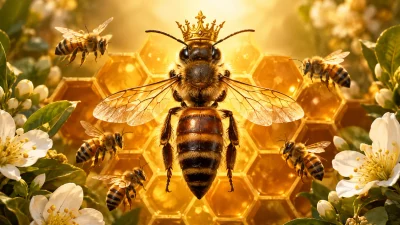
The bee also acquired important historical associations. In ancient Egypt, it was connected with royal authority and appeared in the symbolic language of kingship.
In medieval European traditions, bees became associated with discipline, diligence, and organized community life. Their ability to produce honey and maintain a functioning colony made them natural examples of productive cooperation.
These early interpretations helped establish many of the associations that continue to appear in modern art and popular culture.
What Insects Symbolize in American Culture
In the United States, insect symbolism is especially visible in nature-related imagery, personal expression, entertainment, and environmental awareness.
Butterflies are among the most recognizable examples. Their appearance on greeting cards, memorial artwork, jewelry, and decorative objects often communicates hope, transformation, or remembrance.
Bees have developed a particularly recognizable cultural identity. They appear in discussions about environmental responsibility, agriculture, teamwork, and community support. The phrase “save the bees” has helped make the insect an emblem of pollinator conservation.
Fireflies have a different place in American culture. Their glowing appearances during warm summer evenings are associated with childhood memories, rural landscapes, and seasonal nostalgia. They frequently appear in children’s literature and illustrations about summer.
Ladybugs are commonly treated as friendly symbols of good luck, especially in children’s stories, gardening imagery, and decorative designs.
In American popular culture, insects also represent qualities that people admire or fear. The ant can communicate determination, while the cockroach may represent survival because of its reputation for enduring difficult conditions.
The following table shows how some familiar insects are commonly interpreted.
| Insect | Common American Meaning | Associated Ideas | Typical Use |
|---|---|---|---|
| Butterfly | Transformation | Freedom, renewal | Tattoos and memorial art |
| Bee | Hard work | Community, productivity | Environmental campaigns |
| Ant | Persistence | Discipline, teamwork | Educational stories |
| Ladybug | Good luck | Protection, happiness | Jewelry and decoration |
| Dragonfly | Adaptability | Change, emotional growth | Art and personal accessories |
| Firefly | Nostalgia | Summer, childhood | Literature and seasonal decor |
These associations are common cultural interpretations, not universal beliefs shared by every American community.
Butterfly Symbolism: Transformation and New Beginnings
The butterfly is perhaps the clearest insect symbol of transformation. Its life cycle provides a visible example of dramatic change, making it an enduring image of personal development and renewal.
A caterpillar becomes a chrysalis before emerging as a butterfly. This process has inspired associations with leaving an old identity behind and entering a different stage of life.
In modern American culture, butterflies frequently appear in tattoos commemorating recovery, personal milestones, and major life transitions. They are also used in memorial artwork to represent remembrance and the continuation of life.
Some people connect butterflies with deceased loved ones, although this is a personal spiritual interpretation rather than an established universal belief.
Butterflies also have an important place in Mexican cultural traditions. During the Day of the Dead season, monarch butterflies are sometimes associated in popular belief with returning souls. This association is particularly connected with their seasonal migration and the timing of their arrival in central Mexico.
The butterfly’s meaning is therefore shaped by both its physical transformation and the cultural stories surrounding its movements.
Bee Symbolism: Hard Work and Community
Bees represent productivity, cooperation, responsibility, and the value of contributing to a larger community.
Their colonies provide a natural example of organized social behavior. Individual bees perform different tasks, including gathering nectar, caring for developing bees, maintaining the hive, and protecting the colony.
This organization has made bees a familiar symbol of teamwork.
In American culture, bee imagery appears in school materials, business branding, environmental campaigns, and community organizations. The bee is often used to communicate the idea that individual efforts can support a larger purpose.
Bees also symbolize abundance because of their connection with honey and pollination. Their role in agriculture has made them especially important in conversations about food production and environmental health.
The bee’s sting adds another dimension to its meaning. It can represent defense, boundaries, and the ability to protect something valuable.
Ant Symbolism: Patience and Persistence
Ants commonly symbolize discipline, preparation, patience, and collective strength.
Their ability to transport food, construct underground nests, and maintain complex colonies has made them familiar examples of consistent effort.
In American children’s literature, ants frequently appear as characters that plan ahead and work steadily. The traditional story of the ant and the grasshopper is a well-known example. The ant prepares for difficult seasons, while the grasshopper spends its time enjoying the present.
The story uses their contrasting behavior to explore responsibility, planning, and the consequences of procrastination.
Ants can also represent the importance of community. A single ant may appear insignificant, but a colony can accomplish tasks that would be impossible for an individual insect.
For this reason, ant imagery sometimes appears in tattoos and artwork representing family loyalty, teamwork, and determination.
Dragonfly Symbolism: Change and Adaptability
Dragonflies are often associated with adaptability, emotional development, clarity, and freedom.
Their life cycle provides a natural basis for these meanings. Dragonflies spend much of their early lives underwater before emerging as flying adults. This movement between aquatic and aerial environments makes them recognizable symbols of transition.
Their ability to change direction quickly also contributes to their association with flexibility and adaptability.
In Japanese culture, dragonflies have historically carried associations with courage, strength, and victory. They have appeared in artistic and decorative traditions, including samurai-related imagery.
In modern America, dragonflies are popular in jewelry, garden decorations, paintings, and tattoos. Their delicate wings and striking colors make them attractive designs, while their life cycle gives them an additional association with personal change.
A dragonfly tattoo may represent the decision to move forward after a difficult experience or the willingness to approach life from a different perspective.
Scarab Beetle Symbolism: Rebirth and Protection
The scarab beetle has one of the most established historical meanings among insects.
In ancient Egypt, the sacred scarab was associated with Khepri and the daily renewal of the sun. Its dung-rolling behavior was interpreted as a representation of the sun’s movement across the heavens.
This connection gave the scarab associations with:
- Rebirth and renewal.
- Protection after death.
- Regeneration and continuation.
- The movement of time.
- The relationship between life and the natural world.
Scarab amulets were placed in tombs and worn by living people. Their use in funerary settings made them particularly important in Egyptian beliefs about the afterlife.
Today, scarab imagery appears in jewelry, museum-inspired designs, tattoos, and decorative art. People may choose it to express interest in ancient history, personal renewal, or protection.
Its historical meaning is more specific than the general idea of good luck. The scarab’s strongest ancient association is with solar renewal and regeneration.
Ladybug Symbolism: Luck and Protection
Ladybugs are commonly associated with good fortune, happiness, and protection.
Their bright red or orange bodies and relatively harmless appearance have helped establish a friendly image in American culture.
Children’s books, greeting cards, clothing patterns, and garden decorations frequently use ladybugs as cheerful symbols. Gardeners also appreciate many ladybug species because they feed on aphids and other plant pests.
European folklore includes traditions connecting ladybugs with the Virgin Mary, which contributed to their religious associations in some Christian communities. Their English name is historically connected with this tradition.
In modern America, a ladybug landing on someone is sometimes treated as a sign of good luck. This is a folk belief rather than a scientifically established prediction.
Ladybug imagery is especially common in gifts for children, nursery decorations, and jewelry intended to represent happiness or positive beginnings.
Firefly Symbolism: Hope and Childhood Memories
Fireflies symbolize hope, illumination, nostalgia, and the beauty of temporary experiences.
Their ability to produce light through bioluminescence makes them unusual among familiar insects. Their glowing appearance during warm evenings has given them a strong connection with summer memories in the United States.
For many Americans, fireflies bring to mind childhood activities such as catching them in jars, watching them illuminate fields, or spending evenings outdoors.
Their light can also represent guidance during uncertain periods. A small source of illumination in darkness becomes a natural metaphor for hope.
Fireflies appear in poetry, children’s stories, illustrations, and seasonal artwork. Their brief flashes can also suggest the temporary nature of beautiful experiences.
Unlike the butterfly, which represents visible physical transformation, the firefly often communicates the idea that even a small light can make a difference.
Moth Symbolism: Attraction, Mystery, and Vulnerability
Moths carry a wider range of symbolic meanings than many other insects.
Their nighttime activity connects them with darkness, dreams, intuition, and the unknown. Their attraction to artificial lights has also created associations with desire, temptation, and pursuing something that may not be beneficial.
The luna moth, with its pale green wings and distinctive shape, is particularly popular in modern American art and tattoo culture. It often represents change, sensitivity, and the relationship between beauty and vulnerability.
Moths can also carry negative meanings. Their association with darkness and household damage sometimes makes them symbols of anxiety, decay, or unwanted change.
In ancient Greek traditions, the concept of the soul was associated with the word psyche, which also became connected with butterfly imagery. The distinction between butterflies and moths was not always the same as modern scientific classification.
Today, moth designs often appeal to people who prefer unusual natural imagery or want a symbol that feels less conventional than a butterfly.
Insect Symbolism in Religion and Mythology
Insects have appeared in religious traditions and mythology across different parts of the world.
Their meanings often come from specific species rather than a general belief about insects.
In ancient Egyptian religion, scarabs represented solar renewal and regeneration. Bees also had royal associations and appeared in the symbolism of kingship.
In some ancient Greek traditions, butterflies were associated with the soul. Their emergence from a chrysalis provided an image that could be connected with the separation of the soul from the body.
In Buddhist cultural traditions, the cicada has sometimes represented renewal and the possibility of spiritual transformation. Its emergence from the ground and discarded outer shell provide a natural comparison with leaving an earlier condition behind.
Chinese artistic traditions have used butterflies as symbols of happiness, love, and marital harmony. Butterfly imagery appears in decorative arts, textiles, and traditional paintings.
In some Christian contexts, the butterfly has been interpreted as an image of resurrection because its life cycle can be compared with death and renewed life.
These traditions should not be combined into one universal religious meaning. Each developed within its own historical and cultural setting.
Insect Symbolism in Art, Literature, and Popular Culture
Insects have long offered artists a way to communicate ideas about nature, beauty, mortality, and human behavior.
Renaissance artists sometimes included small insects in paintings to demonstrate observational skill and represent aspects of the natural world. Albrecht Dürer’s famous stag beetle watercolor from 1505 is an example of an insect becoming the central subject of an artwork rather than a minor decorative detail.
In literature, insects frequently serve as characters or metaphors.
Ants represent preparation and cooperation in traditional fables. Butterflies often appear in stories about identity and change. Flies can suggest corruption, decay, or unwanted interference.
Modern films and entertainment have expanded these associations.
Superhero stories, science fiction, animated films, and horror movies use insect characteristics to explore strength, transformation, invasion, and the relationship between humans and nature.
The honeybee may communicate a productive society, while a swarm of locusts can suggest an overwhelming threat.
These images allow writers and filmmakers to communicate complicated ideas through familiar creatures.
Emotional and Psychological Meaning of Insects
The emotional meaning of an insect often depends on how a person experiences it.
A butterfly may remind someone of a loved one, a difficult period they survived, or an important personal change. Another person may simply appreciate its colors and movement.
Bees can represent responsibility and belonging, particularly for people who value family or community involvement.
Ants may communicate determination to someone working toward a long-term goal. Their repeated activity provides a visual comparison with the small actions that gradually produce meaningful results.
Insects can also represent discomfort.
People who fear spiders, wasps, or cockroaches may associate these creatures with vulnerability, loss of control, or contamination. These reactions are shaped by personal experiences, cultural attitudes, and sometimes learned fears.
There is no universal psychological interpretation that applies to everyone.
The most useful way to understand an insect as a personal symbol is to consider what it represents to the individual and why that particular creature matters to them.
Insect Symbolism in Tattoos, Jewelry, and Personal Style
Insects are popular subjects in contemporary tattoos because their shapes are recognizable and their meanings can be adapted to personal experiences.
Different designs communicate different ideas.
- Butterfly tattoos: Personal transformation, freedom, recovery, and new beginnings.
- Bee tattoos: Hard work, family, community, and environmental awareness.
- Ant tattoos: Patience, persistence, and collective strength.
- Dragonfly tattoos: Adaptability, change, and emotional growth.
- Moth tattoos: Individuality, attraction, vulnerability, and nighttime imagery.
- Scarab tattoos: Rebirth, historical interest, and protection.
- Ladybug tattoos: Happiness, good fortune, and affection.
Jewelry offers another way to use insect imagery. Gold bee pendants, butterfly earrings, beetle brooches, and dragonfly necklaces combine natural designs with personal meaning.
In fashion, insects can function as decorative motifs rather than statements about identity. Embroidered butterflies, bee patterns, and beetle-inspired accessories are common examples.
The meaning depends on the wearer. A butterfly tattoo may represent a specific personal experience, while another person may choose the same design simply because they enjoy its appearance.
Negative Insect Symbolism: Fear, Death, and Destruction
Not all insects have positive associations.
Some species have become symbols of danger because of their effects on human health, agriculture, or living environments.
Locusts are particularly associated with destruction. Large swarms can consume vegetation and devastate agricultural areas, which explains their appearance in historical accounts and religious narratives as images of famine and hardship.
Flies are often associated with decay because they are attracted to decomposing organic matter. In some religious and literary traditions, they also represent corruption or evil.
Mosquitoes can symbolize irritation, vulnerability, and hidden danger because they feed on blood and can transmit disease.
Wasps and hornets are frequently associated with aggression and defense because of their painful stings.
These negative associations are generally connected with actual human experiences rather than arbitrary symbolic interpretations.
However, it is important to distinguish cultural symbolism from the ecological value of insects. Many species that people consider unpleasant play important roles in pollination, decomposition, and food webs.
An insect’s negative reputation does not necessarily mean it has no environmental value.
Insect Symbolism in Environmental Awareness and Modern Life
In recent decades, insects have become increasingly visible in environmental discussions.
Bees and butterflies are especially important because of their relationship with pollination. Their declining populations in some regions have encouraged conservation campaigns and public education.
In American environmental messaging, these insects often represent biodiversity, ecological responsibility, and the importance of protecting natural habitats.
Monarch butterflies are particularly recognizable in conservation efforts because of their remarkable migration and dependence on specific breeding habitats.
Fireflies have also become associated with environmental awareness. Changes in land use, habitat loss, light pollution, and pesticide exposure can affect their populations.
Social media has helped spread insect imagery through photography, educational videos, nature accounts, and conservation campaigns.
People who once viewed insects mainly as household pests may now encounter them as subjects of wildlife photography and environmental education.
This shift has added a new dimension to their cultural meaning: insects are not only symbols of human qualities but also reminders of humanity’s relationship with the natural world.
How Insect Symbolism Has Changed Over Time
The meaning of insects has developed alongside changes in religion, agriculture, science, art, and everyday life.
In ancient civilizations, certain insects were connected with gods, royal authority, and beliefs about the afterlife. Their behaviors were interpreted through the religious and philosophical understanding of the natural world.
During later periods, insects appeared in European heraldry, folklore, literature, and religious art. Bees increasingly represented diligence and organized society, while butterflies became associated with the soul and transformation.
Scientific developments changed how people understood insect behavior. Better knowledge of metamorphosis, pollination, reproduction, and ecology provided explanations for processes that earlier communities had interpreted through mythology.
Modern culture combines these older associations with contemporary concerns.
A bee can represent teamwork, business identity, and environmental protection at the same time. A butterfly can symbolize personal recovery, artistic beauty, or memorial remembrance.
Insects have not lost their traditional meanings. Instead, their symbolism has expanded as people have developed new ways to interpret the natural world.
Common Misunderstandings About Insect Symbolism
Several misunderstandings can make insect meanings seem more universal than they really are.
Every insect does not represent good luck. Ladybugs have widespread positive associations, but flies, mosquitoes, and locusts have often carried negative meanings.
Butterflies and moths do not have identical symbolism. Both can represent transformation, but moths are more frequently connected with nighttime imagery, attraction to light, and vulnerability.
Ancient Egyptian scarab symbolism is not simply a general belief in good fortune. Its central religious associations involved the rising sun, renewal, and the afterlife.
A personal interpretation is not necessarily a traditional cultural meaning. Someone may choose a beetle tattoo to represent independence, but that does not mean every culture historically interpreted beetles in the same way.
Insects are not universally considered spiritually significant. Some people approach them through religious beliefs, while others appreciate their symbolism through biology, art, or personal experience.
Understanding these differences makes it easier to appreciate insect imagery without assigning the same meaning to every species.
Frequently Asked Questions
1. What is the most common meaning of insect symbolism?
Insects commonly symbolize transformation, persistence, cooperation, adaptability, and renewal. The exact meaning depends on the species and the cultural context in which it appears.
2. Which insect symbolizes new beginnings?
The butterfly is one of the most recognizable symbols of new beginnings because of its transformation from caterpillar to adult. Scarab beetles also have historical associations with renewal and rebirth.
3. What does it mean when an insect appears repeatedly?
Some people interpret repeated encounters with a particular insect as reminders of personal change, patience, or environmental awareness. However, there is no scientifically established spiritual meaning behind repeatedly seeing a specific insect.
4. Which insects symbolize good luck?
Ladybugs are widely associated with good luck in American folklore. Crickets, butterflies, and certain beetles also have positive associations in different cultural traditions.
5. What do insects symbolize in dreams?
Insects in dreams can be interpreted in different ways depending on the creature and the dreamer’s feelings. Bees may suggest work or social responsibilities, while butterflies may reflect change; these are personal interpretations rather than scientifically established dream meanings.
6. What does an insect tattoo symbolize?
An insect tattoo can represent personal growth, determination, community, freedom, or protection. Butterflies, bees, dragonflies, moths, and scarabs are popular choices because each offers distinctive imagery and cultural associations.
7. Are insects considered spiritual symbols in different religions?
Yes. Ancient Egyptian religion associated scarabs with solar renewal, while some Christian interpretations connect butterflies with resurrection. Other cultural and religious traditions have their own species-specific interpretations.
Conclusion
Insects represent a wide range of human experiences, from transformation and cooperation to fear, destruction, and renewal. Their meanings come from a combination of natural behavior, historical beliefs, religious traditions, and the ways people interact with the environment.
In modern American culture, insect symbolism continues to appear in tattoos, jewelry, literature, environmental campaigns, and personal artwork. Butterflies communicate change, bees represent community, ants suggest persistence, and scarabs preserve an ancient connection with rebirth.
The meaning of an insect ultimately depends on the creature itself, the culture interpreting it, and the person using its image. Even the smallest creatures can offer a recognizable way to express ideas about life, identity, and the natural world.